NEWYou can now listen to Fox News articles!
A majority of the U.S. Supreme Court’s justices were absent from President Donald Trump’s 2026 State of the Union address Tuesday night — a conspicuous move coming just days after the high court struck down his signature global tariff policy.
Only Chief Justice John G. Roberts Jr. and Associate Justices Elena Kagan, Brett Kavanaugh, and Amy Coney Barrett attended the speech. Justices Samuel Alito., Clarence Thomas, Neil Gorsuch, Sonia Sotomayor, and Ketanji Brown Jackson were not present.
The absences followed a 6–3 Supreme Court decision ruling that Trump’s sweeping tariff plan exceeded presidential authority under the International Emergency Economic Powers Act — a major setback for the administration’s economic agenda.
In the wake of the ruling, Trump sharply criticized the justices who sided against him, saying he was “ashamed of certain members of the court” and accusing them of lacking “the courage to do what’s right for the country.” His criticism included members of the conservative bloc, among them two justices he appointed during his first term.
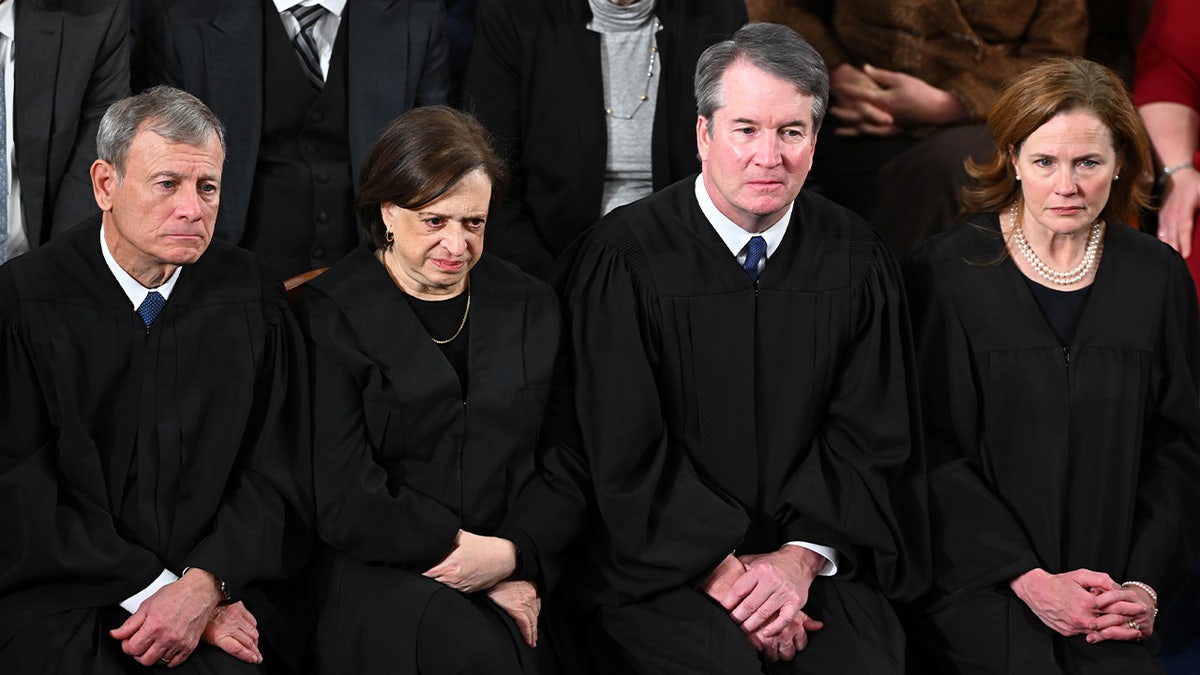
John Roberts, chief justice of the US Supreme Court, from left, Elena Kagan, associate justice of the US Supreme Court, Brett Kavanaugh, associate justice of the US Supreme Court, and Amy Coney Barrett, associate justice of the US Supreme Court, during a State of the Union address in the House Chamber of the US Capitol in Washington, DC, US, on Tuesday, Feb. 24, 2026. (Graeme Sloan/Bloomberg via Getty Images)
Supreme Court justices are not legally required to attend the State of the Union. Invitations are extended as a matter of tradition, and participation is left to individual discretion. Those who do attend typically enter the House chamber together in their black judicial robes and sit prominently in the front row — a visual symbol of the judiciary’s coequal status alongside the executive and legislative branches.
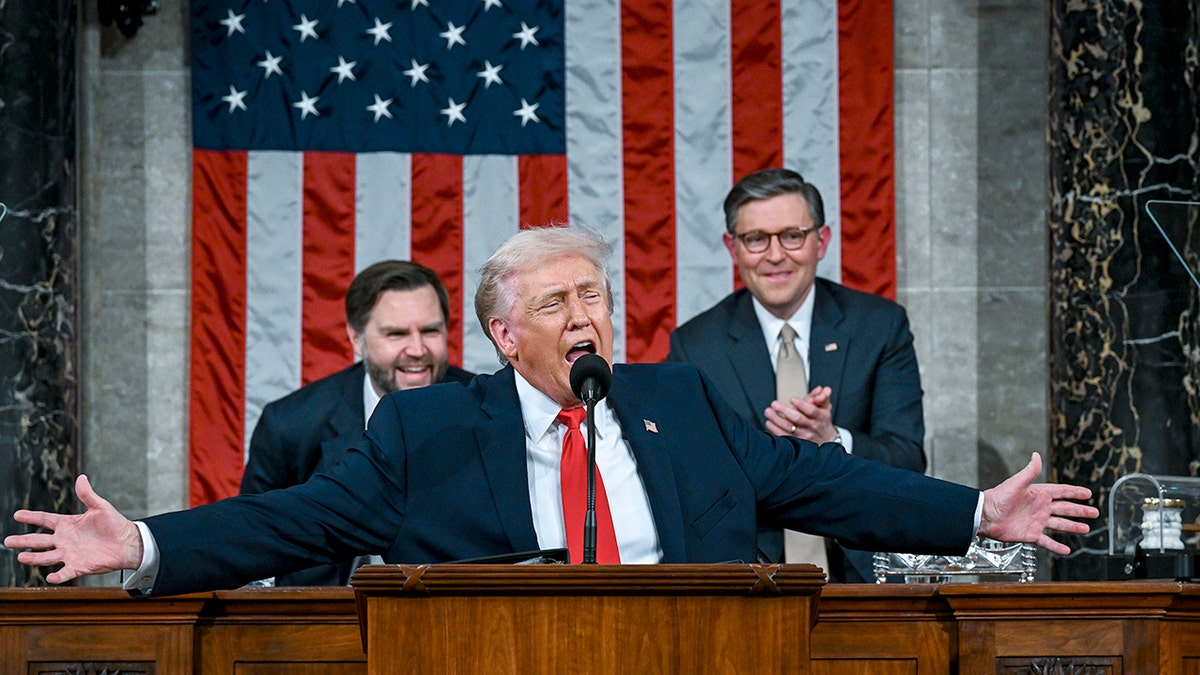
U.S. President Donald Trump delivers the State of the Union address during a joint session of Congress in the House Chamber at the Capitol on February 24, 2026, in Washington, DC. (Kenny Holston-Pool/Getty Images)
Still, attendance has long been uneven, reflecting discomfort within the judiciary about appearing at what has increasingly become a partisan spectacle.
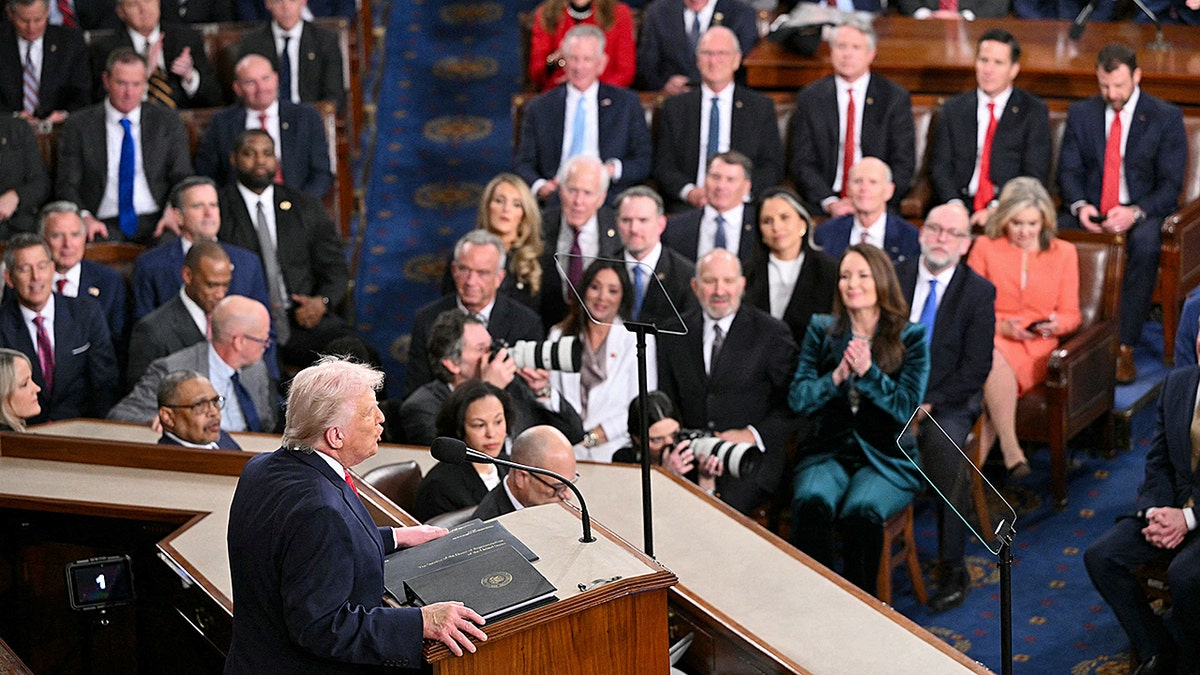
Trump delivers the first official State of the Union of his second term. (Getty Images)
Alito has not attended a State of the Union since 2010, when he famously shook his head and appeared to mouth “not true” as then-President Barack Obama criticized the Court’s decision in Citizens United v. Federal Election Commission. Months later, Alito said publicly that sitting through the address made him feel like “the proverbial potted plant,” and he suggested he would not return in the near future.
TO GO OR NOT TO GO? SUPREME COURT AT THE STATE OF THE UNION
Roberts at the time described the political atmosphere surrounding the address as “very troubling,” and questioned whether it remained appropriate for the justices to attend if the event had devolved into what he characterized as a political “pep rally.” Despite those concerns, Roberts has attended every State of the Union since becoming chief justice in 2005.
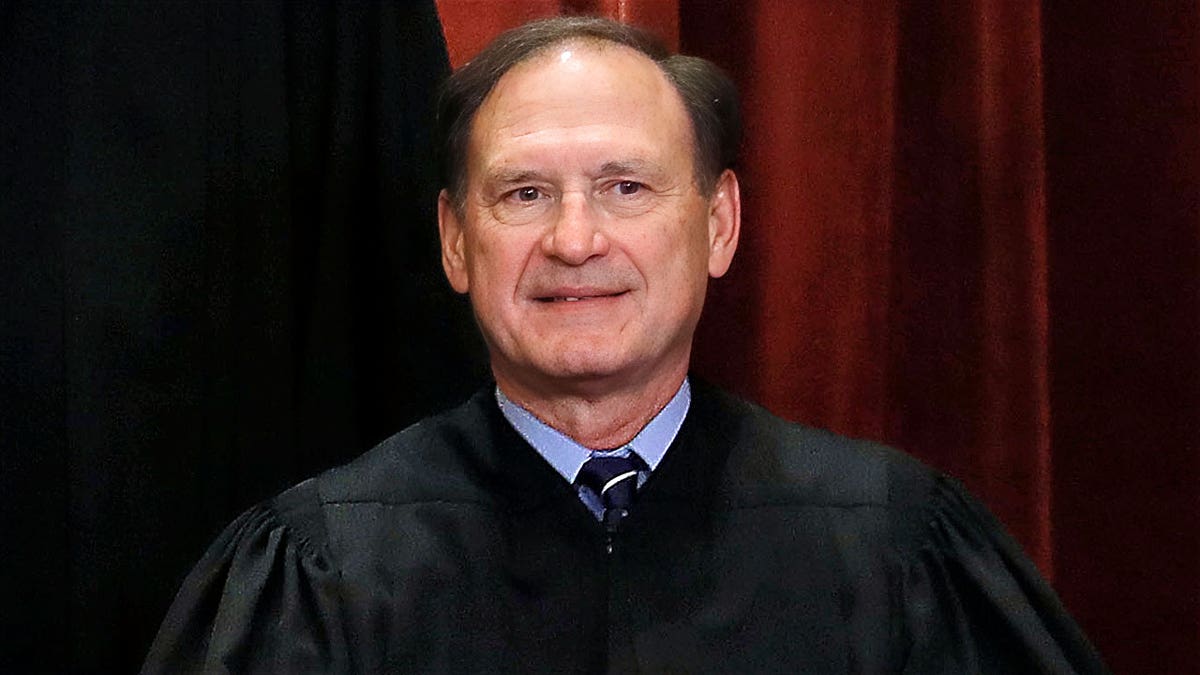
United States Supreme Court Associate Justice Samuel Alito on October 7, 2022, in Washington, D.C. (Alex Wong/Getty Images)
Thomas has also largely stayed away in recent years. After attending President Obama’s first address in 2009, he did not return, later describing the experience as uncomfortable for members of the judiciary given the partisan reactions inside the chamber.
CLICK HERE TO DOWNLOAD THE FOX NEWS APP
While some justices have consistently opted out — including past members of the court — others have continued to attend as a matter of institutional tradition.
Fox News’ Shannon Bream and Bill Mears contributed to this report.
Related Article