
NEWYou can now listen to Fox News articles!
A routine monthly expense Americans can’t avoid is emerging as a potent midterm issue, as rising electricity bills sharpen voter frustration and hand candidates a new economic line of attack.
As candidates fan out across the country ahead of the midterms, power bills are becoming a tangible symbol of household stress. Unlike other expenses that can be postponed or pared back, electricity costs hit every month with little room for consumers to opt out.
The issue is giving both parties fresh campaign ammunition, with Republicans casting higher bills as evidence of failed energy policies and Democrats pointing to bill assistance and other measures aimed at easing pressure on household budgets.
The fight is unfolding amid sharp regional divides in electricity prices. Federal energy data shows residential power costs vary widely across the country, illustrating how affordability pressures differ by region.
The latest figures from the U.S. Energy Information Administration put the national average at 17.24 cents per kilowatt-hour, up 6% from a year earlier.
THE STATES WHERE AMERICANS PAY THE MOST — AND LEAST — FOR ELECTRICITY
North Dakota has the lowest average residential electricity rate in the country at 11.02 cents per kilowatt-hour, while Hawaii — an outlier shaped in part by geographic isolation — has the highest, at 41.62 cents per kWh.
Nebraska, Idaho, Oklahoma and Arkansas also rank among the cheapest states, while California, Rhode Island, Massachusetts and New York join Hawaii among the most expensive.
Several of the cheapest states are deep-red, a pattern Republicans are likely to seize on even though power prices are shaped as much by geography, fuel mix, regulation and usage as by politics.
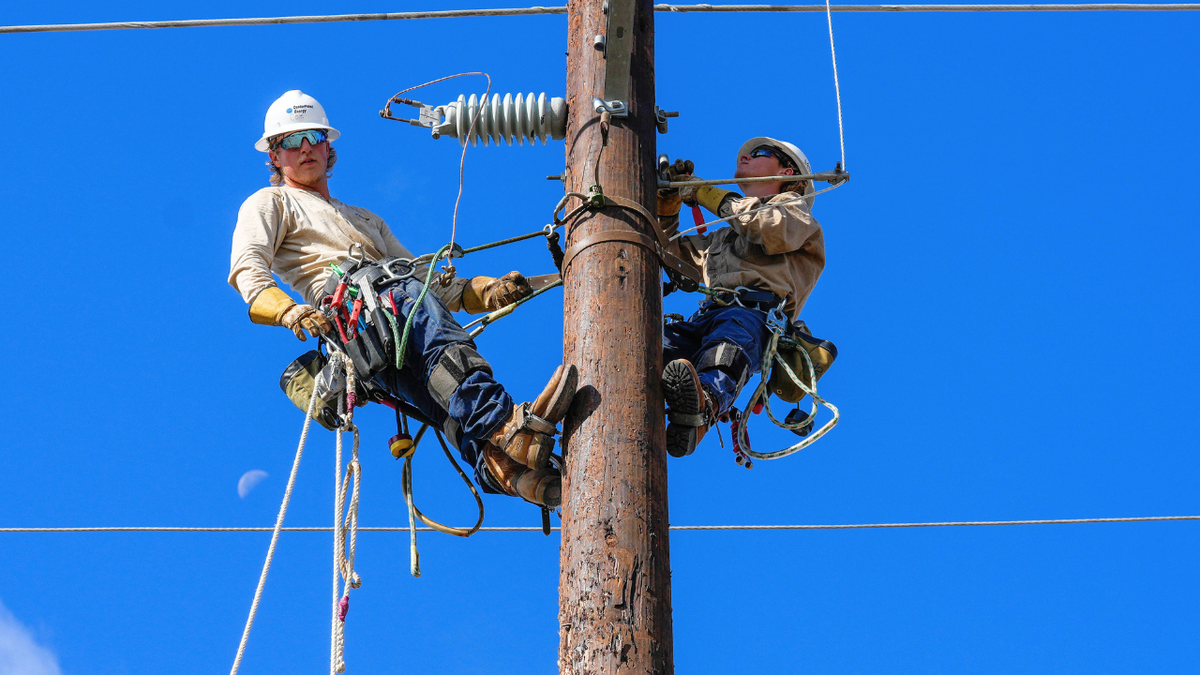
Unlike other expenses that can be postponed or pared back, power bills hit every month with little room for consumers to opt out. (Raquel Natalicchio/Houston Chronicle/Getty Images)
Cheap electricity does not always mean affordable energy. Weather, household consumption, housing quality, grid upgrades and state utility decisions all affect what families ultimately pay, meaning lower rates do not always translate into lower monthly bills.
Even so, the partisan pattern may prove politically useful in a campaign season shaped by anxiety over household expenses.
AMERICANS HIT WITH SOARING ELECTRICITY BILLS AS PRICE HIKES OUTPACE INFLATION NATIONWIDE
Republicans have already begun making that case, arguing that states with lower power costs have benefited from broader domestic energy production and fewer restrictions on conventional fuels.
“Affordability varies by your ZIP code,” Interior Secretary Doug Burgum told an audience at BlackRock’s infrastructure summit in Washington, D.C., pointing to lower-cost states such as North Dakota as evidence that oil and gas should remain part of the country’s energy mix. “That’s just a fact,” he added.
Secretary Chris Wright added, “High electricity prices are a political choice. They’re not required.”
“If you look back 15 years, electricity prices in California were only slightly higher than in Florida by about 15%. Since then, the two states have gone in entirely different directions. Today, electricity in Florida costs less than half as much as it does in California, even though Florida produces about 20% more electricity.”
“Florida has lower costs and higher reliability, despite being in the middle of Hurricane Alley. It is an outstanding example of what smart decisions, strong operations and thoughtful technology deployment can achieve. Even as much of the world has gone off track over the last 20 years, Florida did not,” Wright added.
CLICK HERE TO DOWNLOAD THE FOX NEWS APP
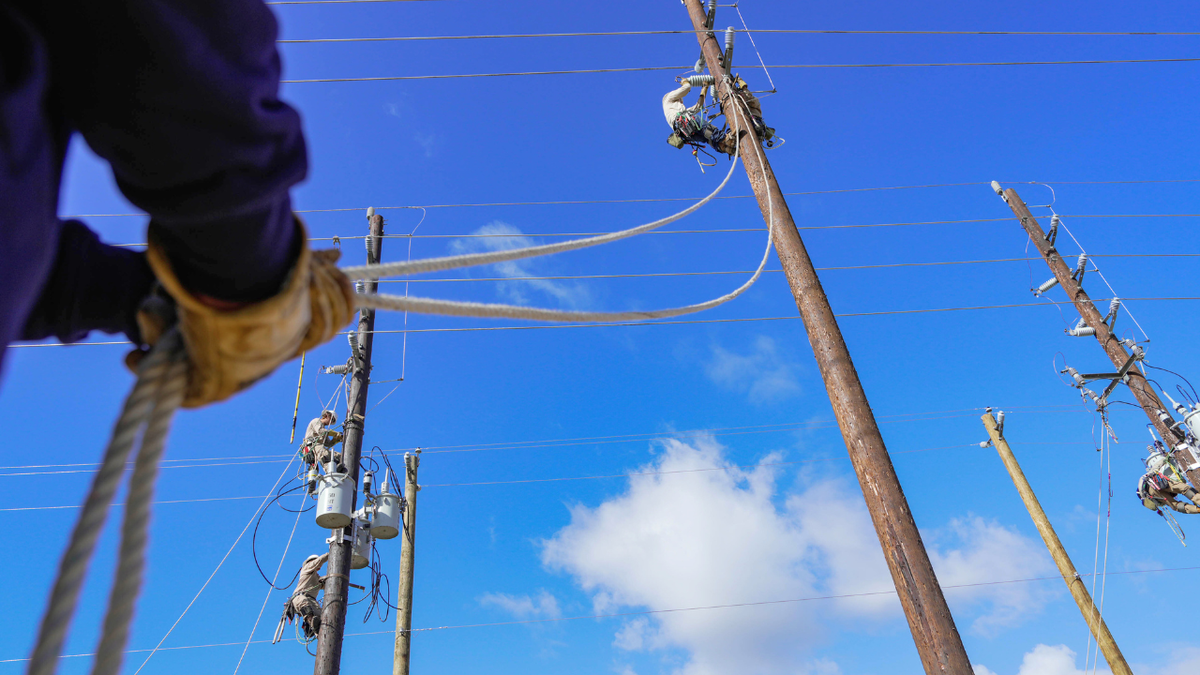
Both Republican and Democratic candidates are expected to discuss rising electricity costs on the campaign trail this midterm season. (Raquel Natalicchio/Houston Chronicle via Getty Images)
Democrats counter that federal bill-assistance programs, weatherization funding and grid investments can reduce outages and household energy waste over time, even if they do not bring immediate relief in monthly statements.
Gas prices may grab more headlines, but electricity bills can be more politically durable: they arrive every month, are harder to cut quickly and are often tied to local utilities and regulators, giving candidates a direct way to connect national energy rhetoric to household frustration.