
A northern Virginia man was arrested and accused of placing two pipe bombs outside the Democratic National Committee and Republican National Committee headquarters on the eve of the Capitol riot on Jan. 6, 2021, federal authorities announced Thursday.
Attorney General Pam Bondi identified the suspect as Brian Cole Jr., a 30-year-old from Woodbridge, Virginia, located just outside Washington, D.C. Cole was charged with use of an explosive device, Bondi said, adding that more charges were possible in the investigation, which was still active and ongoing. He’s the first suspect arrested in the yearslong pipe bomb investigation.
Cole lives with his mother and other family members in Woodbridge and works in a bail bondsman’s office, an FBI agent said in court documents. The school district for Prince William County, Virginia, which includes Woodbridge, confirmed to CBS News that Cole graduated from high school in 2013.
Cole was arrested early Thursday morning and investigators were still executing search warrants in the afternoon, Bondi told reporters during a news conference.
An unidentified FBI agent said in a probable cause affidavit filed Wednesday that Cole allegedly bought multiple items in 2019 and 2020 that were consistent with the components used to make the pipe bombs.
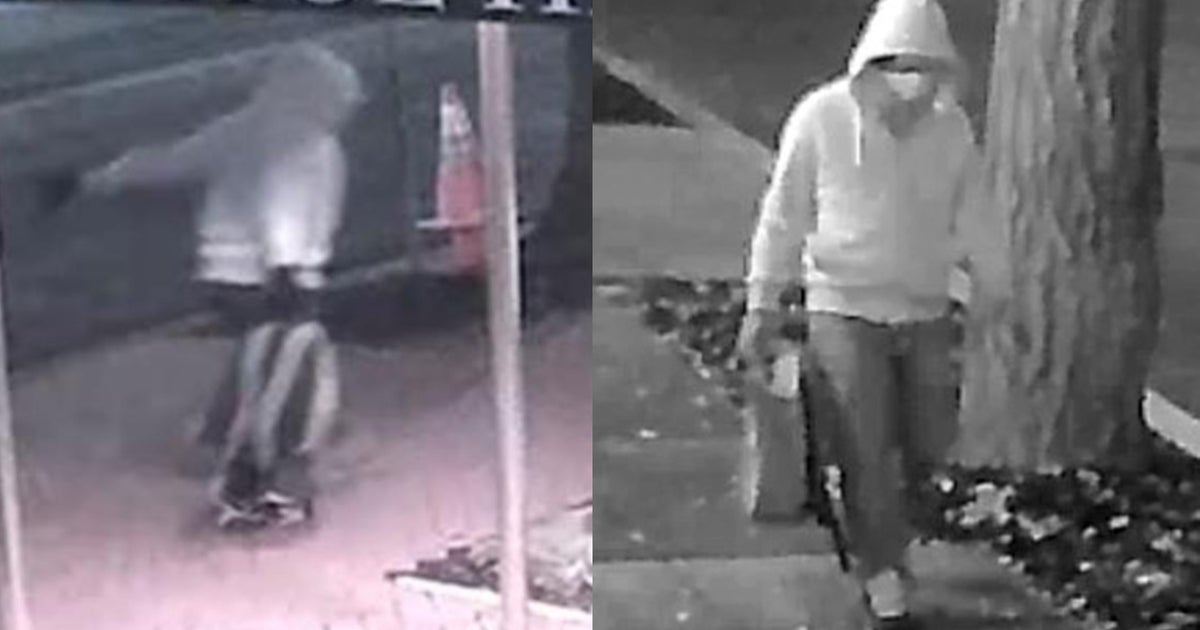
According to the affidavit, cellphone provider records show that Cole’s phone was located in the vicinity of the DNC and RNC headquarters on Jan. 5, 2021, when the person who planted the bombs was seen on surveillance footage. Cole’s car was also spotted by a license plate reader less than half a mile from where the person was seen on the footage, the document states.
Bondi told reporters no new tip or witness emerged that led to Thursday’s arrest and that the development was the result of going over evidence that was already in the FBI’s possession.
“Today’s arrest happened because the Trump administration has made this case a priority,” Bondi said. “The total lack of movement on this case in our nation’s capital undermined the public trust of our enforcement agencies.”
FBI Director Kash Patel said a team of experts reevaluated the evidence, describing them as “the best at what they do in their specific fields.”
“When you develop evidence, you get a search warrant, and when you get a search warrant, you get an address, and when you get an address, you hit the house, and that’s what we did,” Patel said.
The arrest marks a major step forward in a case that has vexed the FBI for nearly five years. The pipe bombs were placed outside DNC and RNC headquarters on the evening of Jan. 5, federal investigators have said.
The devices — made out of 1×8-inch pipes, kitchen timers and homemade black powder — did not detonate, but the FBI has called them viable and warned they could have killed or injured people.
The bombs were not discovered until the afternoon of Jan. 6, as police in the area were overwhelmed by rioting at the Capitol building nearby. Former Vice President Kamala Harris, who was the vice president-elect at the time, was evacuated from the DNC headquarters shortly after the devices were found.
“We are grateful to the law enforcement officers who have dedicated years to investigating the pipe bombs planted at the Democratic and Republican National Committee headquarters on the eve of the January 6th insurrection,” DNC Chair Ken Martin said following the arrest. “Those responsible for this horrific act must be brought to justice, and political violence should never be accepted in America.”
Over the subsequent months and years, federal law enforcement scoured the country for alleged Capitol riot participants, tracking down and charging more than 1,500 people.
But the pipe bomb case had remained a lingering mystery amid the events of that week. The FBI had not made an arrest or identified a suspect before Thursday, though it has periodically released footage of a potential suspect — grainy security camera images of a shadowy figure in a hoodie — and offered $500,000 for information.
In May, Deputy FBI Director Dan Bongino said on X the pipe bomb investigation was one of several unsolved cases that had drawn “additional resources and investigative attention.” He said he had received weekly briefings on the case and the FBI was “making progress.”