
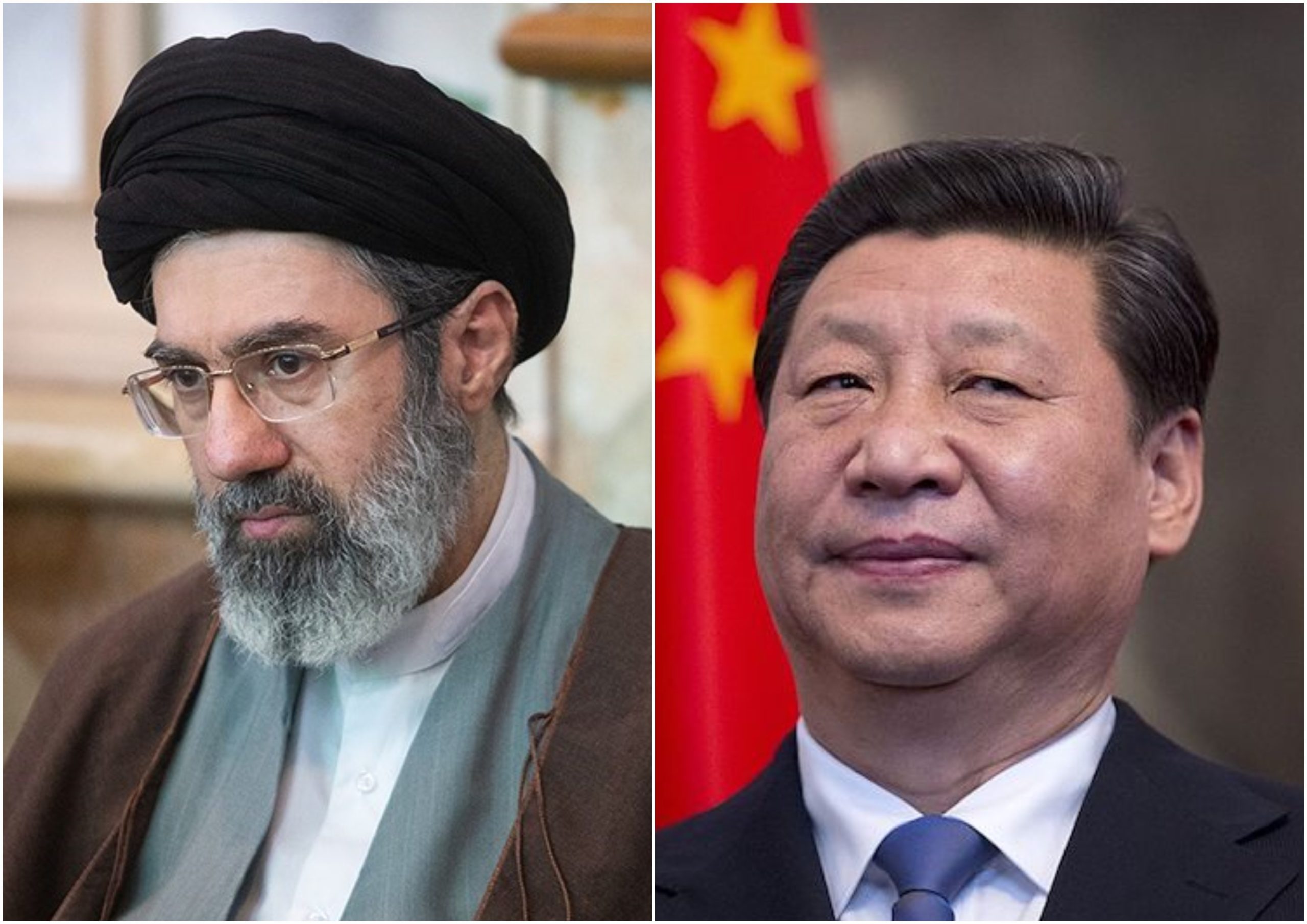
As the Iranian regime bottles up the Strait of Hormuz and President Trump pulls out all the stops to protect energy shipments and mitigate the damage to the global economy, doubts and fears about the latest stage of the war with Iran are growing. One increasingly common argument is that further operations against Iran weaken the effort to deter China from military aggression, so Trump should declare victory pronto and go home.
Since China is America’s strongest adversary, deterring Xi Jinping is vital yet fiendishly difficult. Ending this stage of the Middle East war without sharply reducing Iran’s ability to threaten U.S. interests would be a strategic defeat, and Xi would notice. Defeating Iran is not sufficient to deter China, but it is necessary.
Deterring China from attacking its neighbors, particularly Taiwan, is equally vital to our interests. A conflict in East Asia would devastate the global economy and domestic well-being: Bloomberg estimates the first year of fighting over Taiwan would slash global GDP by over 10 percent and cut nearly 7 percent off of American GDP. Losing a war with China would likely break our military, tear apart our alliance system, and leave Beijing as the sole master of Asia.
America’s military is using weapons in Iran that would be handy to have against China: Along with our partners, we have probably launched more PAC-3 interceptor missiles in the past two weeks than will be made this year. The U.S. military is reportedly moving a prized air defense radar from South Korea to replace one the Iranians damaged in Jordan. It expended about $5.6 billion in munitions in the first two days of the war, and roughly the same amount in the following four days.
That daily rate will continue to slow, since Iran’s air defenses are largely gone, and American pilots do not need to use as many expensive, long-range missiles to hit their targets. The demand for air defense missiles is declining as the regime runs out of launchers for its missiles, too. But replacing those missiles and other equipment is costly and time-consuming. The Pentagon is already working on a $50 billion request for Congress to replace the expended equipment, but in the short term, there are tradeoffs.
Stationing enough forces around China to maintain a favorable balance of power is important for deterring Chinese aggression, but it is insufficient. Deterrence is ultimately a mental game. Leaders are deterred from action when they think the costs outweigh the benefits, and they make that calculation based on their perception of the adversary’s power and will.
Both elements are necessary. After Oct. 7, the Biden administration sent an extra aircraft carrier to the Middle East, in the words of National Security Adviser Jake Sullivan, “to send that clear message of deterrence.” The military had the power to punish Iranian aggression, but President Biden lacked the will to fight back, and the Iranians knew it. They harassed U.S. forces with drone attacks until they eventually killed three Americans and wounded dozens more.
Xi will decide not to attack if he is convinced the United States has the ability and the will to defeat him. Trump has chosen to launch a big operation against Iran, and if he fails to achieve decisive results at a reasonable cost, or if the attempt to reopen the Strait of Hormuz founders, Xi will reevaluate American power and the president’s skill. This would heighten the danger.
If Tehran knows we cannot prevent it from blocking the Strait of Hormuz, it will have tremendous leverage against Trump and the rest of the world. For example, Iran could race for the bomb with much less fear of an American strike against the program. This would create new and threatening possibilities for Beijing and Tehran to collaborate. Any attempt to weaken China in a crisis or conflict would be much harder if, for example, Tehran informed the Europeans that any collaboration with Washington would cost them their access to Gulf energy. The duo could attack their neighbors simultaneously, since the American military would struggle to defeat both at the same time.
The choice between deterring China and defeating Iran is thus a false one. Iran’s leadership must fail, and be seen to fail, to reduce the threat of further war in the region and elsewhere. Trump is facing one of the greatest tests of his presidency, and the country needs him to ace it.
As the Duke of Wellington once said, only one thing “can be half so melancholy as a battle won.” That’s a battle lost.