
Trump unveils ‘Golden Fleet’ of Navy battleships, touts them as ‘more powerful than any’ ever built
Trump also tied the battleship announcement to a broader push to accelerate U.S. defense production. He said he plans to meet next week with major defense contractors to demand faster delivery timelines, increased capital investment in new factories, and limits on stock buybacks and executive compensation.
“We make the best equipment in the world, but they don’t make it fast enough,” Trump said, arguing that companies should reinvest profits into production capacity rather than dividends and buybacks.
“I mean, I have sold more planes than any president by far times, probably 20. So every time I go someplace, I sell 100 planes,” he said. “And I’m always having to say five years, six years, seven years helicopters, Apache helicopters, many years.”
The announcement comes at a time when the Trump administration has elevated shipbuilding to a White House–level priority, establishing a dedicated office to oversee maritime industrial policy and signaling a broader push to expand U.S. naval capacity.
Defense leaders for years have warned that the U.S. shipbuilding industrial base has struggled to keep pace with demand, citing workforce shortages, fragile supplier networks, aging infrastructure, and persistent delays at major shipyards.
Navy leaders have long pointed to shifting requirements and design changes after construction has begun as another factor driving delays and cost growth in major shipbuilding programs.
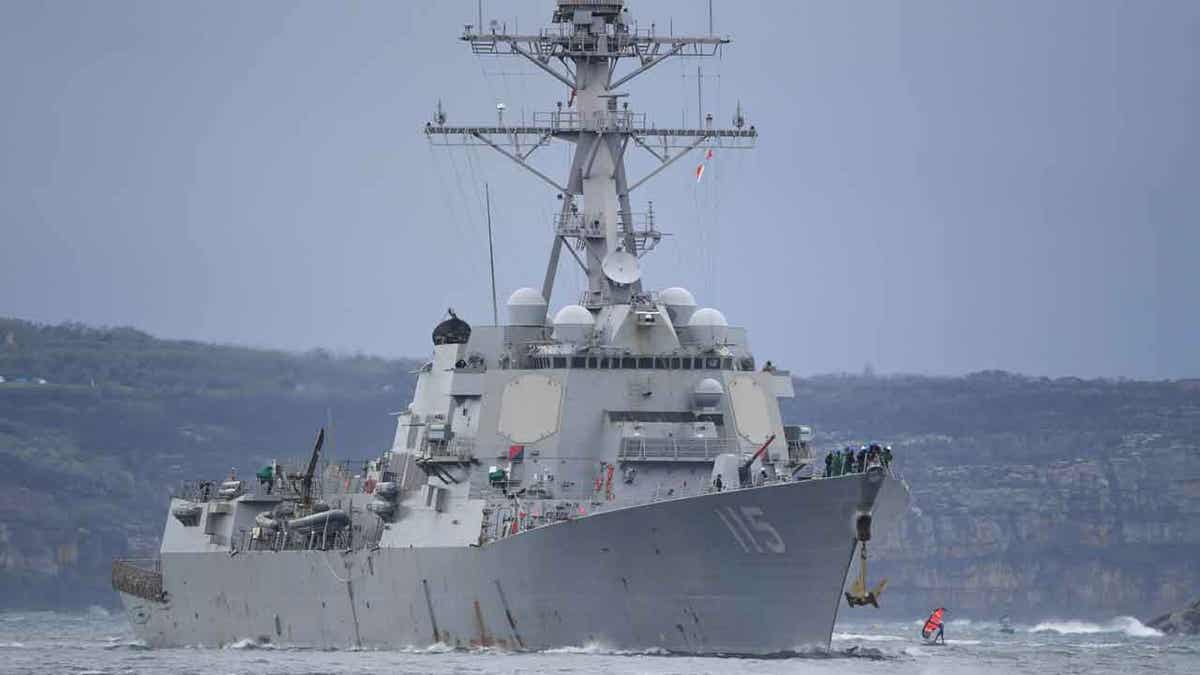
Navy leaders have long pointed to shifting requirements and design changes after construction has begun as another factor driving delays and cost growth in major shipbuilding programs. (James D. Morgan/Getty Images)
In April, Trump signed an executive order declaring the erosion of America’s shipbuilding and maritime workforce a national security risk, directing a government-wide overhaul aimed at expanding domestic shipbuilding, stabilizing long-term funding, strengthening the workforce and countering China’s dominance in global ship production.
Inside the Navy, Phelan has echoed that urgency, warning that the service must “act like we’re at war,” with shipbuilding and weapons production speeds. He has moved to overhaul the Navy’s acquisition culture, launching a new Rapid Capabilities Office designed to cut development timelines, enforce accountability and push new technology into the fleet faster than traditional Pentagon procurement allows.
TRUMP WANTS TO REVIVE THE LAGGING US SHIPBUILDING INDUSTRY. HERE ARE THE HURDLES HE FACES
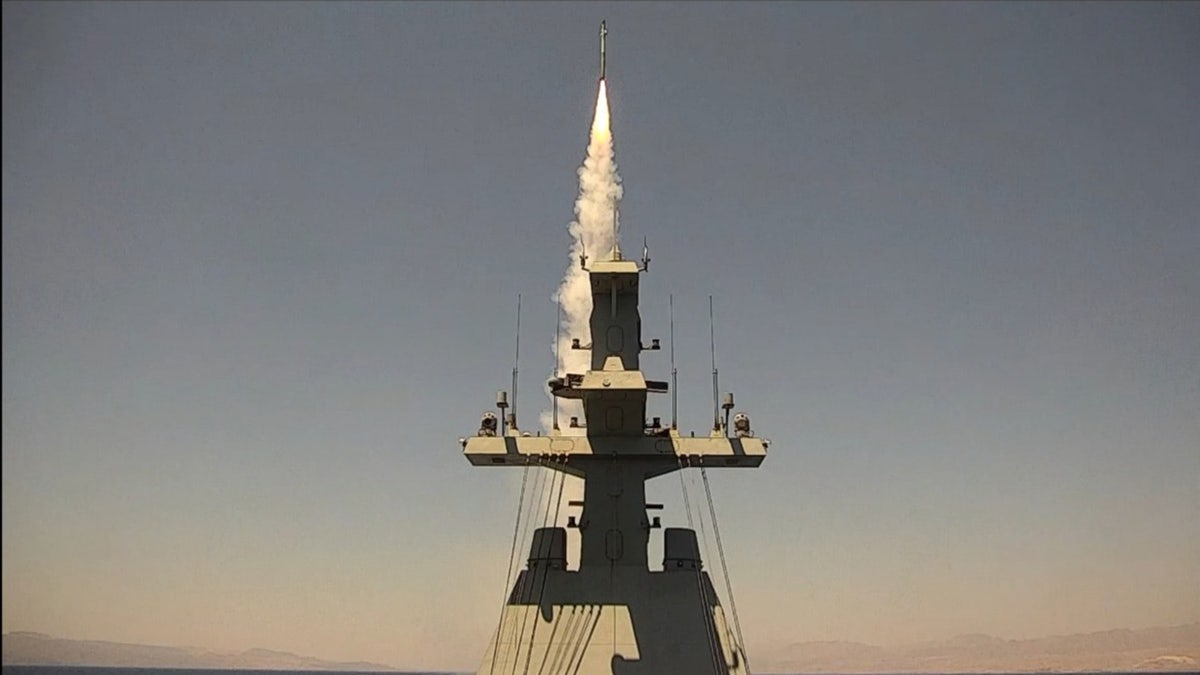
Navy Sec. John Phelan has warned that the service must “act like we’re at war,” with shipbuilding and weapons production speeds. (Israel Defense Forces)
U.S. officials warn the shipbuilding crunch is colliding with an enormous capacity gap with China: the Office of Naval Intelligence has assessed that China has roughly 230 times the shipbuilding capacity of the United States, a disparity that has helped Beijing expand its fleet far faster than American yards can produce new hulls.
While U.S. officials say the Navy retains a technological edge in areas such as undersea warfare and carrier operations, they warn that China’s growing fleet size and industrial capacity are narrowing that advantage.
CLICK HERE TO DOWNLOAD THE FOX NEWS APP
The U.S. Navy currently operates about 294 warships, while China now fields the world’s largest navy by hull count, with more than 370 ships in service.
At the same time, several of the Navy’s marquee programs have struggled with delays and cost growth, including the Columbia-class ballistic-missile submarine, the Virginia-class attack submarine and the Constellation-class frigate, which has faced schedule pressure amid design and requirements changes.