
NEWYou can now listen to Fox News articles!
Top U.S. military leaders are hosting more than 30 nations in Washington as the Trump administration moves to deepen security cooperation across the Western Hemisphere, prioritizing border control, drug trafficking and regional threats from global adversaries.
“To put America First, we must put the Americas First,” War Secretary Pete Hegseth said Wednesday at the meeting, according to remarks shared by Joseph Humire, U.S. acting assistant secretary of war for homeland defense and the Americas.
“We must work together to prevent any adversary or criminal actor from exploiting your territory or using your infrastructure to threaten what a great former American president, Teddy Roosevelt, once called ‘permanent peace in this hemisphere.’”
NORAD AIRCRAFT TO ARRIVE IN GREENLAND FOR ROUTINE EXERCISES
The meeting, convened by Joint Chiefs Chairman Gen. Dan Caine, comes amid a broader national security strategy that places heightened emphasis on threats closer to home, from fentanyl pipelines and transnational criminal networks to Arctic competition and instability in Venezuela.
The conference also coincides with U.S. action against Mexican cartel drones that breached American airspace near El Paso, Texas.
An administration official told Fox News that “Mexican cartel drones breached U.S. airspace. The Department of War took action to disable the drones. The FAA and DOW have determined there is no threat to commercial travel.”
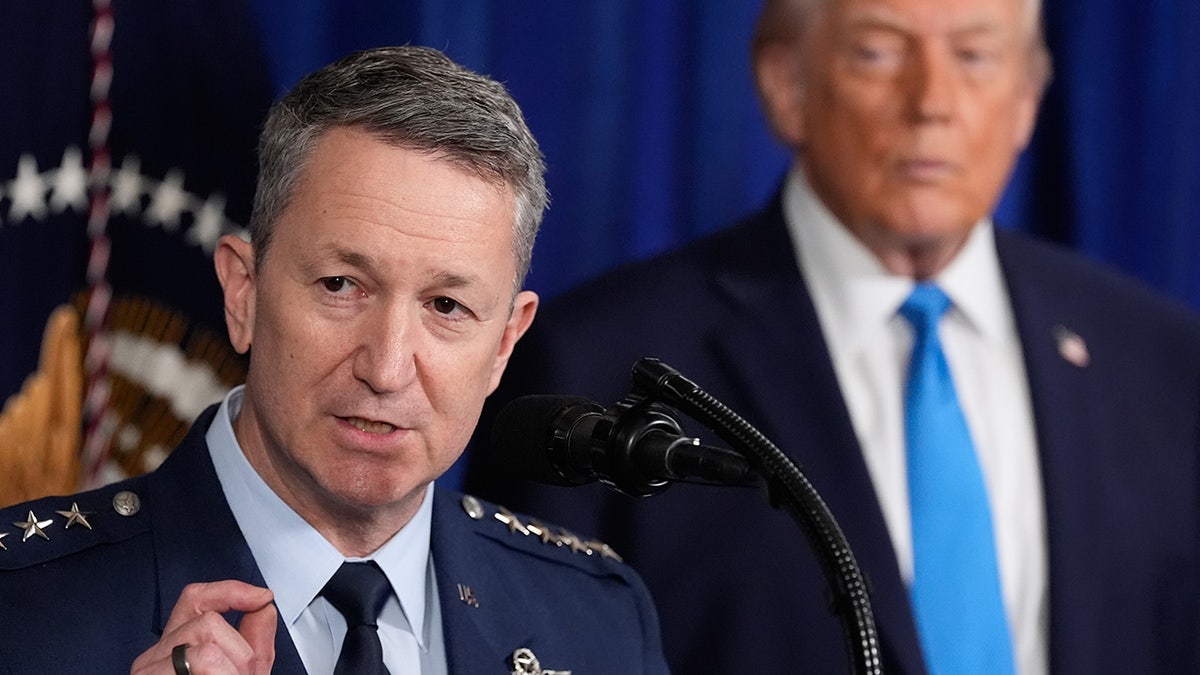
Gen. Dan Caine, chairman of the Joint Chiefs of Staff, is hosting a meeting for Western Hemisphere defense chiefs in Washington. (Alex Brandon/AP)
The Federal Aviation Administration temporarily restricted flights in and out of El Paso International Airport for “special security reasons.” Federal officials have not released operational details, but the administration official said the action was directly tied to counter-drone measures along the southern border.
The incident underscores the growing use of unmanned systems by cartel networks and the increasing overlap between traditional criminal activity and homeland defense concerns, a theme expected to surface in discussions among defense leaders gathered in Washington.
Top military leaders from Denmark, Britain and France, nations that have territory in the western hemisphere, have also been invited, according to The New York Times.
Gen. Francis Donovan, the new chief of Southern Command, which oversees Latin American and Caribbean operations, is expected to press regional counterparts to intensify cooperation against drug-trafficking organizations and transnational criminal groups that operate across borders and increasingly leverage advanced technology. U.S. officials have warned that cartel networks are using drones, encrypted communications and sophisticated smuggling routes to move narcotics and personnel.
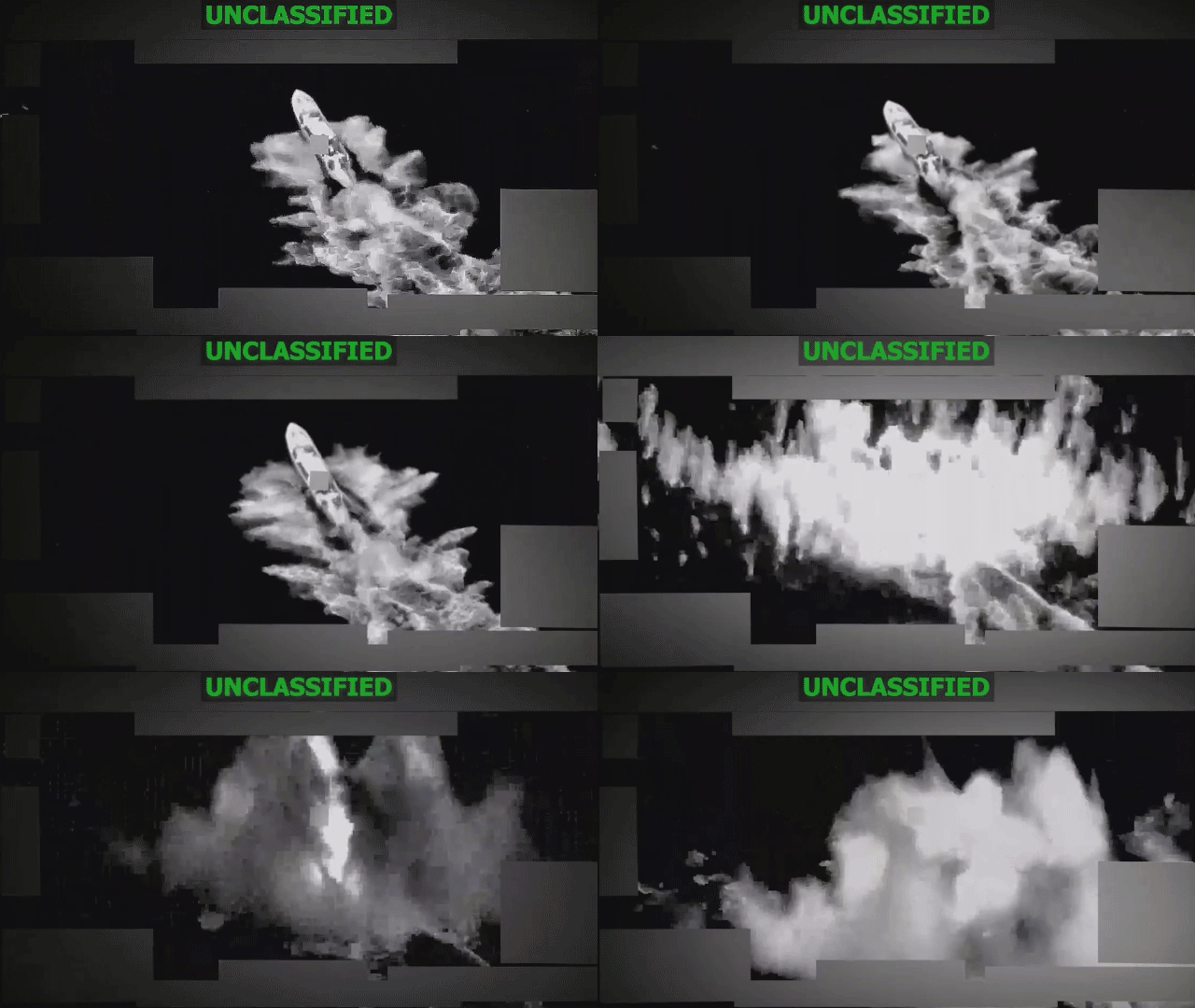
Video shows a kinetic strike on a narco-terror vessel in international waters from Dec. 31. The strikes come amid broader military pressure in the region after high-profile security actions. (U.S. Southern Command via X)
Gen. Gregory M. Guillot, the head of U.S. Northern Command, which leads homeland and north of the U.S. defense, including Greenland, is reportedly expected to talk about border controls and integration of advanced sensors across air, land, sea and space domains.
Arctic security also is likely to figure prominently in discussions. The administration has pointed to increased Russian and Chinese activity in the Arctic as a long-term strategic concern and has emphasized the importance of Greenland’s geographic position for missile warning, maritime access and critical mineral resources.
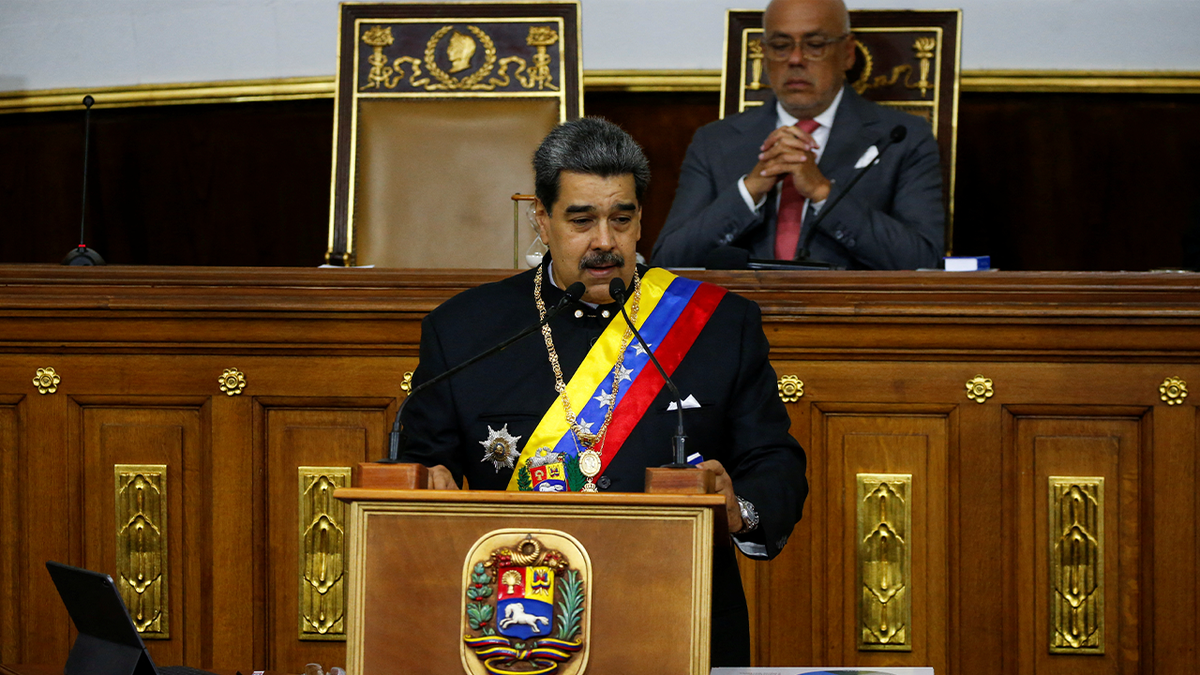
Former Venezuelan President Nicolás Maduro, who was captured by U.S. forces in January in a high-stakes operation and is now facing federal drug-trafficking charges in the United States. The capture has reshaped U.S. security discussions in the Western Hemisphere. (Leonardo Fernandez Viloria/Reuters)
CLICK HERE TO DOWNLOAD THE FOX NEWS APP
The summit comes on the heels of the dramatic U.S. military capture of Venezuelan leader Nicolás Maduro in early January after months of counternarcotics boat strikes.
As the hemisphere’s security landscape continues shifting, defense officials and regional allies will be watching to see how other governments with hostile policies toward the U.S. respond to Washington’s increasingly assertive posture.
Original News Source Link – Fox News
Running For Office? Campaign Management – Monthly Rates!